The newly-opened three day Ngaro Track hike across the rugged interior of Whitsunday Island is garnering plenty of interest amongst Australian hikers. The pristine island setting, stunning scenery and beautifully-designed campsites are drawing in nature lovers and hiking enthusiasts from across Queensland and other states. But what about families? Is the newest of Australia’s multi-day hikes suitable to walk with kids and teens?
Contents
Can you walk the Ngaro Track with kids and teenagers?
The lowdown – what to be aware of as a parent
Alternative Whitsundays walking experiences for families
If the Ngaro Track is right for your family – what’s next?
Common worries parents have before walking the Ngaro Track with kids
Highlights of the Ngaro Track for families
Can you walk the Ngaro Track with kids and teenagers?
The short answer is, it depends.
Officially, there is no lower age limit stipulated by Queensland Parks and Wildlife Service (who manage the Whitsunday Islands National Park in which the Track is situated) or Australian Walking Holidays (who manage bookings and lead guided hikes). Scamper (the preferred boat transfer operator between the mainland and Whitsunday Island) states a minimum age of 2 years, with their discounted child tickets available for those aged 2 to 14 years.
Rather it depends entirely on parents’ judgement of the ability of their children to walk the distance, cope with the terrain and conditions, and carry their share of the family goods and chattels.
Having walked the Track recently with our 14 year old son and talked to other families who have experienced it since it opened four months ago, our suggestion is that active kids aged 10 years and over with prior bushwalking and camping experience may be able to do it. In some cases children even younger may be ok – so far the youngest child to have completed the Track is just four years old. More common are tweens and teens.
Read on to find out more about their experiences, highlights, challenges and tips for others considering the Ngaro Track for their next family adventure.
The lowdown – what to be aware of as a parent
If you’re contemplating bringing your children with you on the Ngaro Track, here are some of the most important things to take into consideration:
- Distance: At 32km spread over three days, Australia’s newest multi-day hike is also one of the shortest in terms of overall distance. However the distances are not the same each day – Day 1 is much easier at 8.3km, Day 2 is 10.8km and Day 3 is 12.8km. Your child needs to be comfortable walking these distances on consecutive days.
- Terrain: The walk is mostly Grade 4 with some sections of Grade 5. This means most of the paths are fairly rough with lots of uneven rock steps, walking across rocky gullies and a lot of uphill and downhill. There is a short section designated as Grade 5 with a steeper uphill gradient, two sturdy ladders with handrails, and some steps across a rocky outcrop.
- Gradient and elevation gain: Whilst Day 1 is a gently undulating track, Day 2 includes some challenging uphill walking. On Day 3 the gradient is lower but there are plenty of uphill sections to keep you working hard over the longest day of the hike.
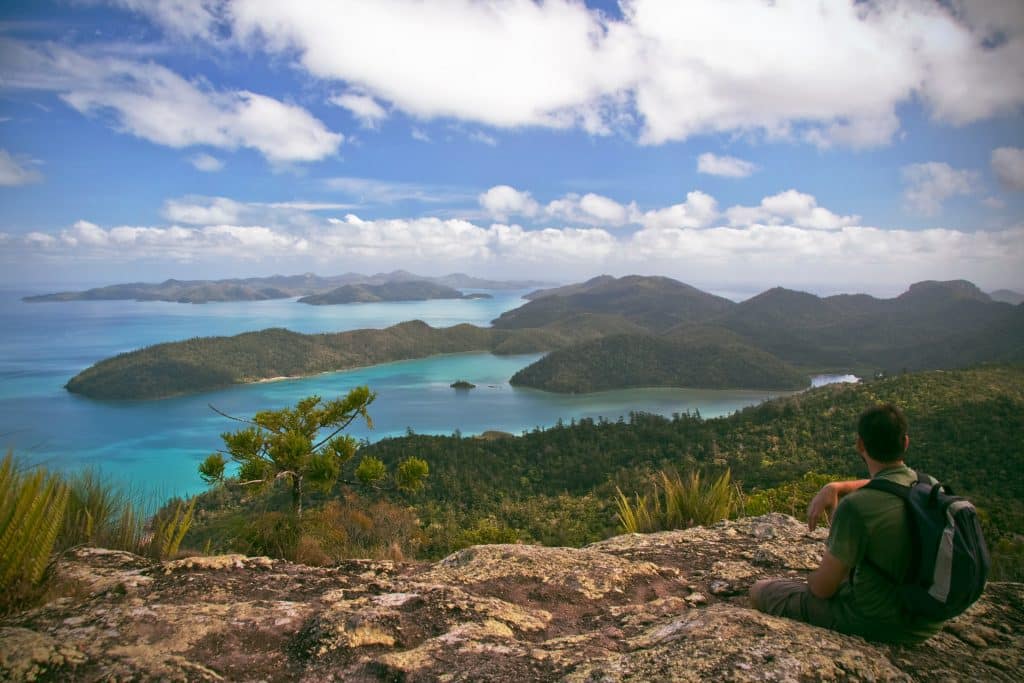
- Unfenced viewpoints: On all three days there are wonderful viewpoints from rocky outcrops, including the summit of Whitsunday Craig at 353m elevation. None of these viewpoints are fenced and they vary in size – from large spacious areas where multiple hikers can rest and wander around to take in the scenery, to small spots for just a couple of hikers at a time to look out.
- Cost: The booking cost for the track and transfers to and from the island ranges from approximately $350 per child or $475 per adult as an independent hiker, to $1795 per person in a guided group (self-catering, carrying a full pack), to $2295 per person for a guided ‘In Comfort’ option (catered, carrying a day pack only). On top of this you’ll need to consider your journey to / from Airlie Beach, accommodation before and after the hike, and whether you already have the gear you need or whether you’ll need to buy equipment.
- Carrying gear: For all hikers except those on the ‘In Comfort’ guided experience, all camping gear, food etc needs to be carried by hikers. How much children would need to carry depends on how you divide up the gear between family members. As every parent knows, children vary greatly in how much they are willing to carry and for how long… and of course this may change from day to day or hour to hour.
- Camping: The campsites are bush campsites with tent platforms, a communal shelter/kitchen and composting toilets.
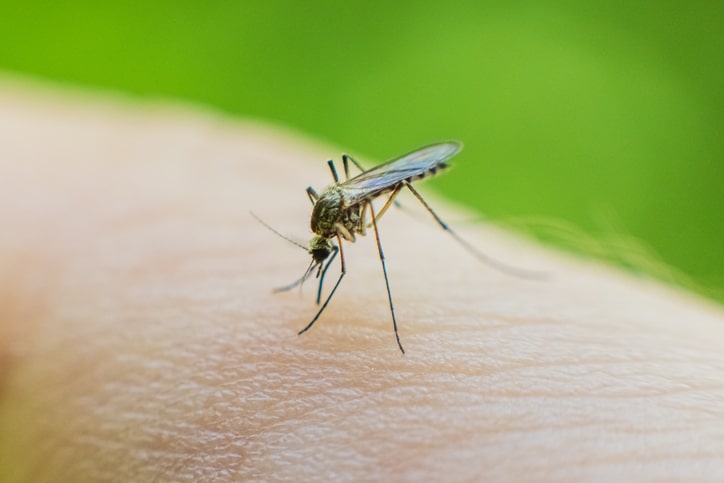
- Remote wilderness: Whitsunday Island is about 20km from the mainland coast, as the crow flies. It’s an uninhabited island that is part of the Whitsunday Islands National Park. This means we are the visitors to a natural wilderness – which includes the sun, wind, rain, and possible encounters with critters like snakes, marine stingers, mossies and sandflies. It requires a boat transfer across sometimes-choppy seas to get there and back, and most of the island doesn’t have mobile reception. On the Ngaro Track itself, some people get reception at Camp 1, during Day 2 and at Camp 2. There are strict requirements on the safety gear you need to bring in case of an emergency.
- Emergency preparedness: It’s all very well having safety gear, but it’s also important to consider whether your family members would know what to do in an emergency. How many adults will you have and how many children? If something happens to one of the adults, will there be someone who knows what to do?
Alternative Whitsundays walking experiences for families
If the Ngaro Track is sounding not quite right for your family, but you love the idea of a Whitsunday island walking adventure, there are lots of other options to explore. Maybe for you, the Ngaro Track is something to enjoy when the kids are a bit older, as a parent-teen adventure, or as a getaway for parents to enjoy by themselves or with their own friends.
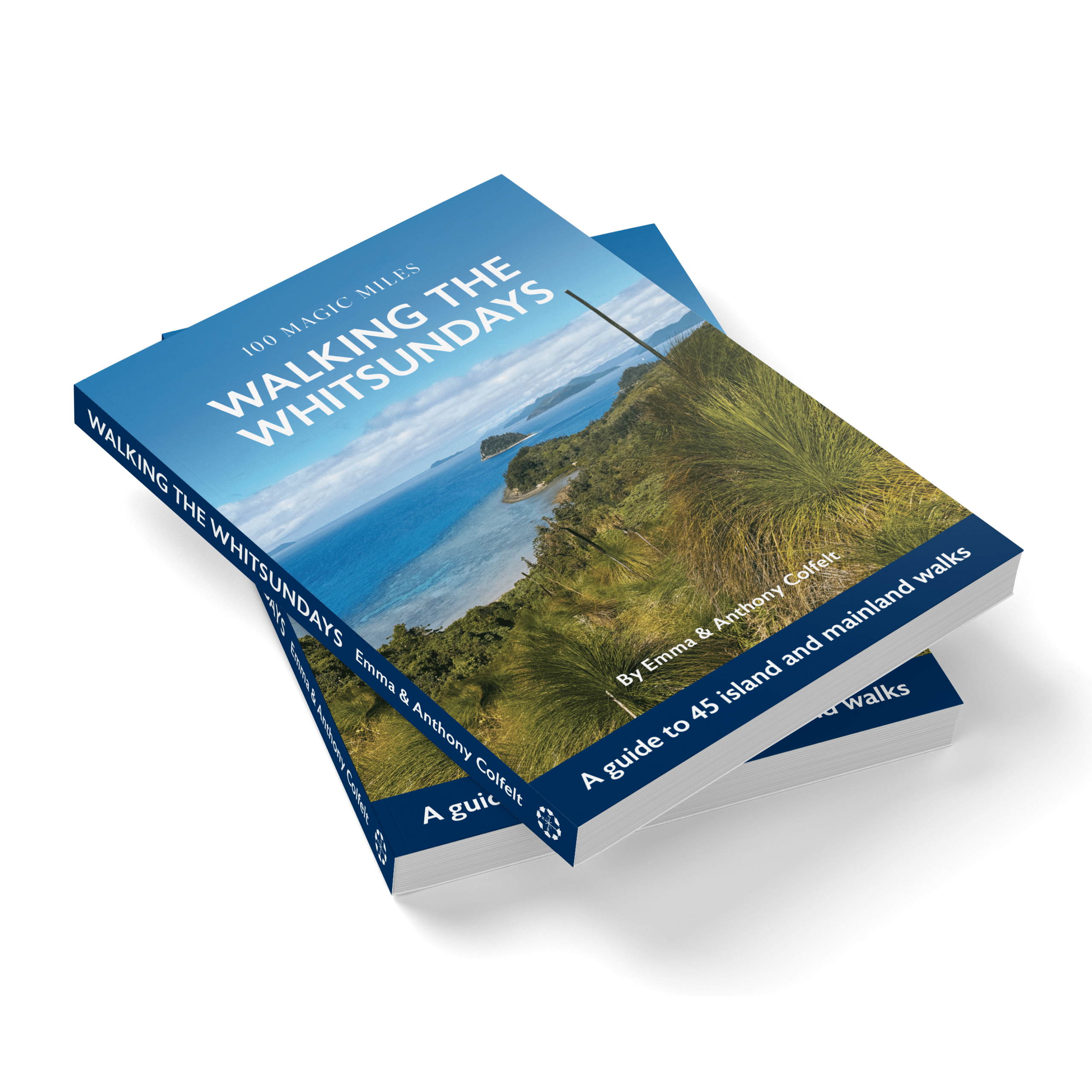
Here’s what we would recommend. For more details get our book Walking The Whitsundays – A Guide to 45 Island and Mainland Walks.
South Molle Island
Closer to Airlie Beach than Whitsunday Island, South Molle is fantastic for walking with stunning views. It’s easy to visit for a day or overnight trip with Scamper, the same boat transfer service that takes walkers to the Ngaro Track. It’s a National Park island, except for a small section at Bauer Bay that has the remains of an old resort. It also has two campsites so you can stay overnight, which would be a great way to see how your kids go with wilderness camping before walking the Ngaro Track – you can even hire camping gear from Scamper. You can also take bikes with you, or book an e-bike experience with Bike & Hike Whitsunday. Hiring kayaks from Salty Dog Sea Kayaking are also an option.
Hamilton Island
For more of a family holiday with a sprinkle of bushwalking, Hamilton Island is hard to beat. With its own airport and regular ferries from the mainland, getting there is a breeze. Kids will love the pools, and there are a variety of walks to explore. With 70% of the island being undeveloped beautiful bushland and coastline, it’s easy to incorporate some family time in nature and get everyone’s legs working. Knowing you can flop in the pool after and treat yourself to dinner makes it a more relaxing vibe than a pure walking/camping trip.
Boating holiday aka island hopping
This is probably the ultimate way to explore the best of the Whitsundays – hire a boat and hop from one spot to the next. Known as ‘bareboating’, you don’t need a boat licence to do it. The Whitsundays has the largest fleet of charter yachts in the southern hemisphere, and the charter operators make sure you’re well briefed before you leave the dock. It’s great fun to do with extended family, or a couple of families together, or just you and your kids. The freedom this gives you means you can get to the walks that are the hidden gems of the Whitsundays, away from the crowds.
To find out more, visit the Bareboating page of the Tourism Whitsundays website. To plan your trip you’ll also need what’s known as the Whitsundays boating ‘Bible’, our book 100 Magic Miles of the Great Barrier Reef – The Whitsunday Islands.
If you like the idea but don’t want to have the responsibility, check out crewed overnight boating experiences.
Day tours
Some of the most iconic walks of the Whitsundays can be reached via half day and day tours from Airlie Beach and the resort islands. Every tour is different so it’s worth exploring what’s on offer to see what suits your family best. The Water Tours page of the Tourism Whitsundays website is a great place to start. If you will be staying on a resort island, the resort website or app will usually detail what’s available specifically from that island.
Airlie Beach & Bowen
There are fantastic walking opportunities for families at both Airlie Beach and Bowen. There is even a multi-day hike called the Conway Range Trail that would be good practice for the Ngaro Track, as it is a 3 day / 2 night hike. Basing yourself on the mainland and doing some day trips to the islands is a great holiday, or incorporating an overnight island camping trip in the middle of a mainland stay works well too.
If the Ngaro Track is right for your family – what’s next?
Once you’ve decided to go ahead with walking the Ngaro Track, the next steps are:
- Book the walk / track permit – independent hikers do this at the official Ngaro Track website and for the guided experiences go to the Australian Walking Holidays website.
- Independent hikers only – book your boat transfer from Airlie Beach with Scamper. For guided hikes your transfers are included in your hike booking.
- Book flights if needed
- Book accommodation for before / after the hike
Having some time in Airlie before and after our Ngaro Track walk was important for us. It gave us a bit of time after flying into Proserpine to sort out our last food and pharmacy supplies and get some things that we couldn’t bring on the flight like stove fuel (for our little meths hiking stove that we would not recommend….).
During the hike, knowing we had a relaxing couple of days ahead once we had finished was a huge help to both me and my son during the most challenging parts of the hike. Simple things like looking forward to having a lie in, putting your feet up, swimming in the pool and going out for dinner were things we really savoured. It gave us a chance to talk about our hike, look at photos and regale the rest of the family with tales of our adventure. If we had needed to leave right after finishing the hike or the morning after, it wouldn’t have been as fun.
Common worries parents have before walking the Ngaro Track with kids
As parents it’s our job to worry. Even though we know all the walks in the Whitsundays really well, the Ngaro Track was the first multi-day hike we’ve done with kids and we definitely had our fair share of worries in the lead up.
1. Edges and the risk of falling
This was my number one concern. Having seen photographs and footage of the Ngaro Track, I knew there were unfenced viewpoints throughout, particularly from Whitsunday Craig, the 353-metre high mountain that forms the focus of the hike’s second day.
Our previous experiences walking up Whitsunday Peak (439m) and Whitsunday Cairn (386m) were what I was imagining. The rocky outcrop at the summit of Whitsunday Peak is quite small and feels quite precipitous – it’s not a space where many people can stand or sit, or where you could leave your big backpacks and wander around. As a parent I’m on high alert when we’re there. At Whitsunday Cairn the rock platform you reach to admire the volcanic rock formation at the top is more spacious than Whitsunday Peak so not quite so nerve-jangling, but still with steep edges.
How we prepared: My son and talked beforehand about the viewpoints and not going off ahead of me. Our practice hikes helped him realise that it feels different carrying a big pack and that your centre of gravity is different. We also talked about people who go too far to the edges or lean out too far when trying to get the perfect selfie or photo, and that no picture is more important than our safety.
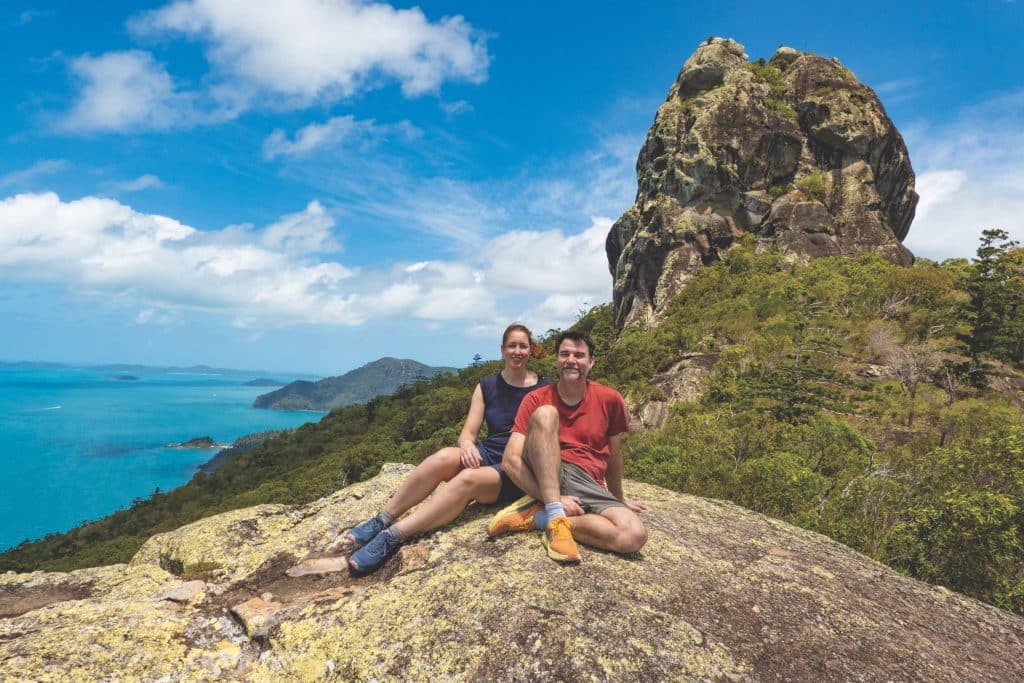
Our experience: At Whitsunday Craig the first viewpoint you reach, sometimes called ‘Lower Craig’, was spacious and was a nice spot to catch up with other hikers from our group as it made for a good rest stop. You reach this viewpoint just after the ladders and steps. There was plenty of room to put our packs down, have a snack and wander around admiring the views.
Murmuri bari (Round Rock) on Day 3 was also a large rocky outcrop with lots of space. The other viewpoints throughout were smaller. As expected, all edges were unfenced and I couldn’t completely turn off my default “mum reminders” to not go too close to the edge, but I tried not to nag him too much.
2. Emergency situations
My second biggest worry was the possibility of an emergency situation of some kind, like a snake bite or a broken bone. Whilst this kind of thing may seem unlikely, it’s essential to be prepared as there are snakes on Whitsunday Island and accidents can happen in the blink of eye. Having broken my ankle whilst hiking in the Whitsundays just nine months before our Ngaro Track hike, and experienced a marine stinger incident here when he was just three years old, we know these things can happen when you’re least expecting them.
Of course my son’s safety was my primary concern, but thinking through possible emergency situations I had to consider whether he would be able to deal with an emergency should something happen to me. If I was bitten by a snake, would he know what to do? Given there is no guarantee of mobile reception on the track and I was the only adult, we had to think this through carefully.
What we did:
- We made sure both of us had a means of sending an emergency distress signal via satellite. My son carried our Personal Locator Beacon (PLB) and I wore my husband’s Apple Watch which can send a satellite SOS. We practiced using the PLB, which also has a test signal function.
- My son carried the first aid kit in his pack, and we went through the contents together beforehand. We talked through what to do if you see a snake, step on a snake or get bitten by a snake and practised using a snake bite bandage.
- We both carried phones and a powerpack to keep them charged. There was mobile reception for parts of Day 1 and 2. In hindsight just one powerpack would have been enough, but we had a camera to charge as well and didn’t want to risk at least one phone and the camera being out of charge.
- We downloaded the Emergency Plus app onto both of our phones and practised using it – without actually pressing the call button. This great app includes ways to give the operator your exact location – either GPS coordinates or your What Three Words location. We had fun finding out the What Three Words of different places in the run up to our hike.
- We talked through what to say when you make an emergency call – giving your name, location and describing the situation.
Our experience: Thankfully we didn’t need to put our preparation into practice, but we both felt comfortable and confident with what we would do. In a funny way, having dealt with an emergency situation on one of the islands just months before gave us a mental picture of what unfolds and perhaps took the unknown out of this particular worry. We would certainly do this kind of preparation again for any hiking/camping trip in a remote location.
We didn’t encounter any snakes ourselves but other hikers ahead of us on the track did. Others who have hiked the track before and since have also seen snakes. Most of those seen so far have been harmless – common green tree snakes and spotted adders being the most frequently spotted. However some of the hikers in our group reported seeing a death adder, a venomous snake whose bite must absolutely be treated as a medical emergency.
It was reassuring having eleven other independent hikers walking the Track at the same time as us – there was a wonderful camaraderie over the three days as we continually crossed paths – however we were often the slowest. Whilst someone may have been within “cooee”, most of the time we wouldn’t have had other hikers coming along behind us to help if something had happened. The next people would likely have been those starting the hike one or two days after us.
3. Fitness and strength
A lesser concern I had was my son’s fitness and strength to cope with the Track’s distance, terrain and carrying the pack. He’s an active kid who plays soccer three times a week and does sport most days at school, so his fitness is better than mine! Knowing he has previously walked up Whitsunday Peak and Whitsunday Cairn – to date the most challenging walks in the Whitsundays – also gave me confidence he could cope with the terrain and gradient. The main doubt I had was his strength to carry the backpack whilst tackling the distance, terrain and gradient.
What we did: We started gathering things for our packs during the months leading up to our trip, and kept them by the front door. Whenever we went for a hike we would take them with us, gradually increasing how much was in there until we were carrying the full weight. We brought magnesium tablets with us on the hike and took some throughout and for a couple of days after to help with muscle soreness.
Our experience: We both found the walk itself to be perfectly manageable, but carrying the backpacks was definitely a challenge for both of us. The offshoots where you could leave your packs behind for a short time were a welcome relief! We had very few items we could have done without, but could have probably carried less water given the number of places we could top up. A lighter tent would also be possible, but it seems that the really light ones are ridiculously expensive. The one we had was a lightweight hiking tent on sale from Anaconda; to get something even lighter it seems that you have to spend five times ore even ten times more. I can see why keen multi-day hikers get into ultralight camping gear, as the weight you are carrying does directly influence your experience. It’s certainly worth interrogating what you’re packing and bringing the most lightweight gear you can afford.
For more tips, see our article Packing for the Ngaro Track – A Step by Step Guide.
For other families, this worry was top of the list. Hiker Sarah from Sydney walked the Track with her husband, their 12 year old son and 15 year old daughter. “Our greatest worry was whether the kids could carry their own packs” she said. “We also wondered whether the hike would strike the right balance – be challenging enough to feel like an adventure, but not so difficult that it became miserable and overshadowed what we hoped would be a positive family experience.”
“In reality, the kids surprised us. The track was certainly challenging in parts, but very manageable with sensible pacing, regular breaks and plenty of appreciation of our surroundings to keep us all motivated to continue. We also felt reassured knowing us adults could redistribute some weight from the kids’ packs if needed, as we preemptively reserved space for this.”
The ‘In Comfort’ guided option provides a way to enjoy the Track without carrying a big pack, but of course this comes at a much higher booking cost.
Highlights of the Ngaro Track for families
For our 14 year old, the majestic scenery was the standout of the walk. “One of the best views was the view on top of the Craig, seeing the landscape laid out below you, showing what you have just achieved. But for me the best view of all was on the final day, about half-way through at Round Rock. It was incredible, seeing the expanse of Hill Inlet. The best view in the Whitsundays for me!”
“One of the best views was the view on top of the Craig, seeing the landscape laid out below you, showing what you have just achieved.” – Felix, 14 years old
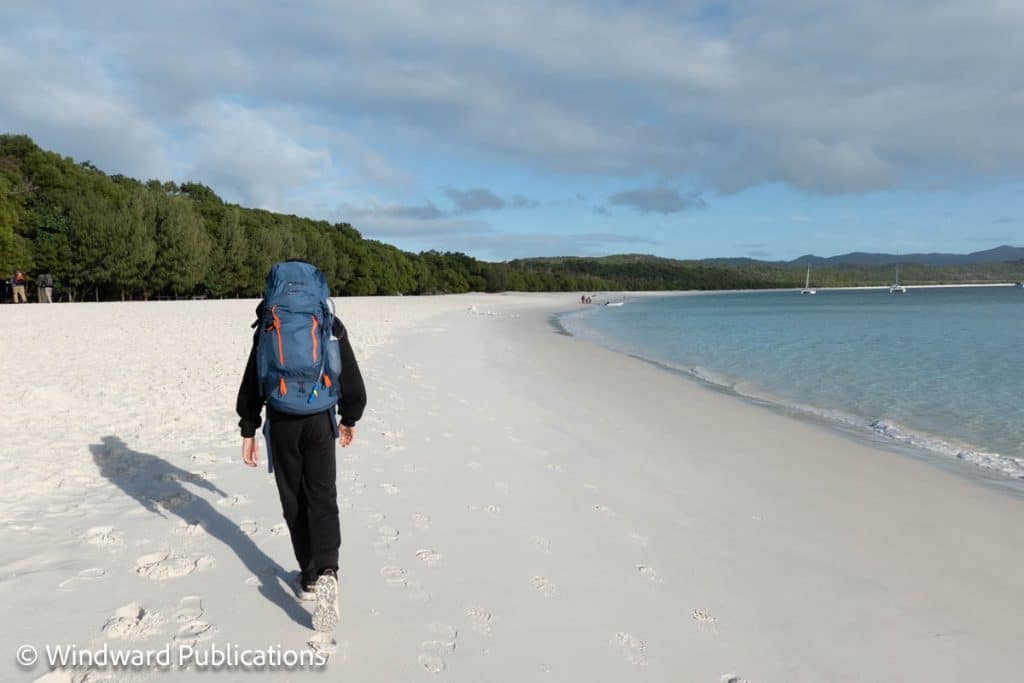
All the kids and teens we’ve spoken to also loved the last afternoon at Hill Inlet after completing the walk. In our son’s words: “Another memorable moment was the last day when you arrive on the beach. I felt so relieved and empowered. It was awesome to put down my pack, walk in the water, and take in the feeling of having stopped. It was so cool to think about how much that you’ve just achieved.”
“It was awesome to put down my pack, walk in the water, and take in the feeling of having stopped. It was so cool to think about how much that you’ve just achieved.” – Felix, 14 years old
For Sarah and her family, hiking the Ngaro Track together has already become a treasured family memory. “If you’re thinking about tackling the Ngaro Track with teenagers, it’s absolutely achievable and, for our family, it became one of those shared experiences we’ll remember for years to come”, she said. “Completing the hike together created a shared sense of accomplishment and some wonderful family memories. The track and island itself are absolutely stunning. The landscape. The vegetation. The wildlife (yes, even the snakes!). The views. It was breathtaking. All of it. And we’d do it again.”
For our family, the Ngaro Track has become one of those shared experiences we’ll remember for years to come. It created a shared sense of accomplishment and some wonderful family memories.” – Sarah, Ngaro Track Hiker
More highlights coming soon for other kids and their parents, plus their biggest challenges and tips for other families planning their hike.
Read more in our Ngaro Track series for more tips and insights
- Packing for the Ngaro Track – A Step By Step Guide
- Is the Ngaro Track Multi-Day Hike For You?
- Ngaro Track Reviews – Hiker Highlights & Challenges – Coming Soon!